Why Travel The South American Region?
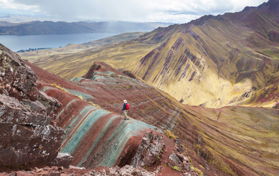
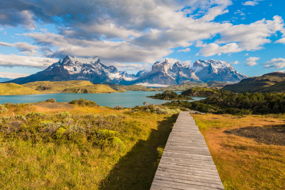
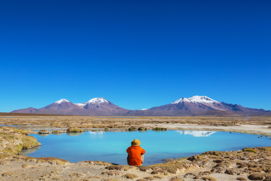
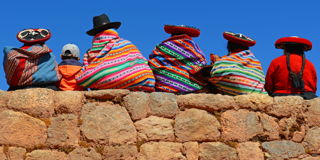
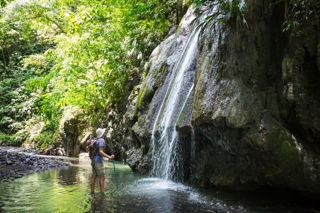
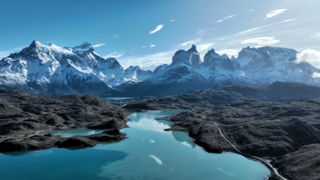
South America is a vast and strikingly diverse continent where mountains, jungles, deserts, Pacific and Caribbean coasts, and vibrant cities meet ancient cultures and rich biodiversity. From the soaring peaks of the Andes and the Amazon rainforest’s immense river network to iconic cities like Buenos Aires, Rio de Janeiro and Quito, the region offers landscapes and cultural experiences unlike anywhere else on Earth. Popular travel routes weave Peru, Brazil, Argentina, Ecuador, Bolivia and Chile into journeys that blend history, nature, human stories and adventure.South America’s cultural heritage spans ancient civilisations such as the Inca (with the Inca road network shaping historical travel across mountain corridors) to colonial cities boasting UNESCO‑protected cores, street life and world‑renowned food scenes — all within ecosystems from deserts to lush rainforests.
Key Highlights
Adventure & Trekking
Service & Learning
Sightseeing
Cultural Immersion
Experiential Learning & Global Awareness
Cultural heritage studies
via Indigenous Andean cultures and colonial histories.
urbanization, rural livelihoods, climate adaptation and conservation.
Human geography & development challenges
through Amazon ecosystems and Patagonian landscapes.
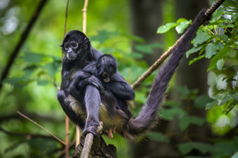
Environmental science & biodiversity
South America offers deep interdisciplinary learning across global issues:
Language immersion
Spanish and Portuguese core languages with diverse local dialects.
These experiences support leadership growth, empathy and global citizenship, giving students first‑hand exposure to complexity and resilience in human‑environment systems.
Rich pre‑Columbian and colonial histories — active cultural heritage alongside modern metropolises.
Extreme ecological contrast — from Amazon rainforest to Atacama Desert, Andes peaks to coastal ecosystems.
Distinct ways of life shaped by Indigenous, Afro‑Latin and Spanish/Portuguese influences — offering students profound cultural context.
What Makes The Pacific/Oceania Unique
Compared with other regions like Africa or Southeast Asia, South America uniquely juxtaposes dramatic physical landscapes with deep historical continuities (e.g., Inca networks, colonial cities) while also showcasing emergent modern expressions (e.g., vibrant street cultures, contemporary arts, and fusion cuisine).
Teacher Selection Criteria Snapshot
Curriculum Fit
Experiential Immersion
Adventure Activities
Cultural Diversity
Logistics & Safety
Global Awareness Opportunities
Ecology & conservation, heritage & world history, language acquisition, geography
High — local communities, heritage sites, ecosystems
High — trekking, jungle, river systems, Atlantic & Pacific coasts
Very rich — Indigenous, Afro‑Latin, colonial traditions
Accessible around major hubs with guided partners; variable in remote areas
Strong — development disparities, conservation, urban‑rural contrasts
Curriculum Fit
Ecology, culture, sustainability, geography
Experiential Immersion
Very high — nature, marine, alpine zones
Adventure Activities
Hiking, kayaking, wildlife encounters
Cultural Diversity
Māori heritage + contemporary communities
Logistics & Safety
Strong travel networks, safe environments
Global Awareness Opportunities
High — conservation and cultural systems